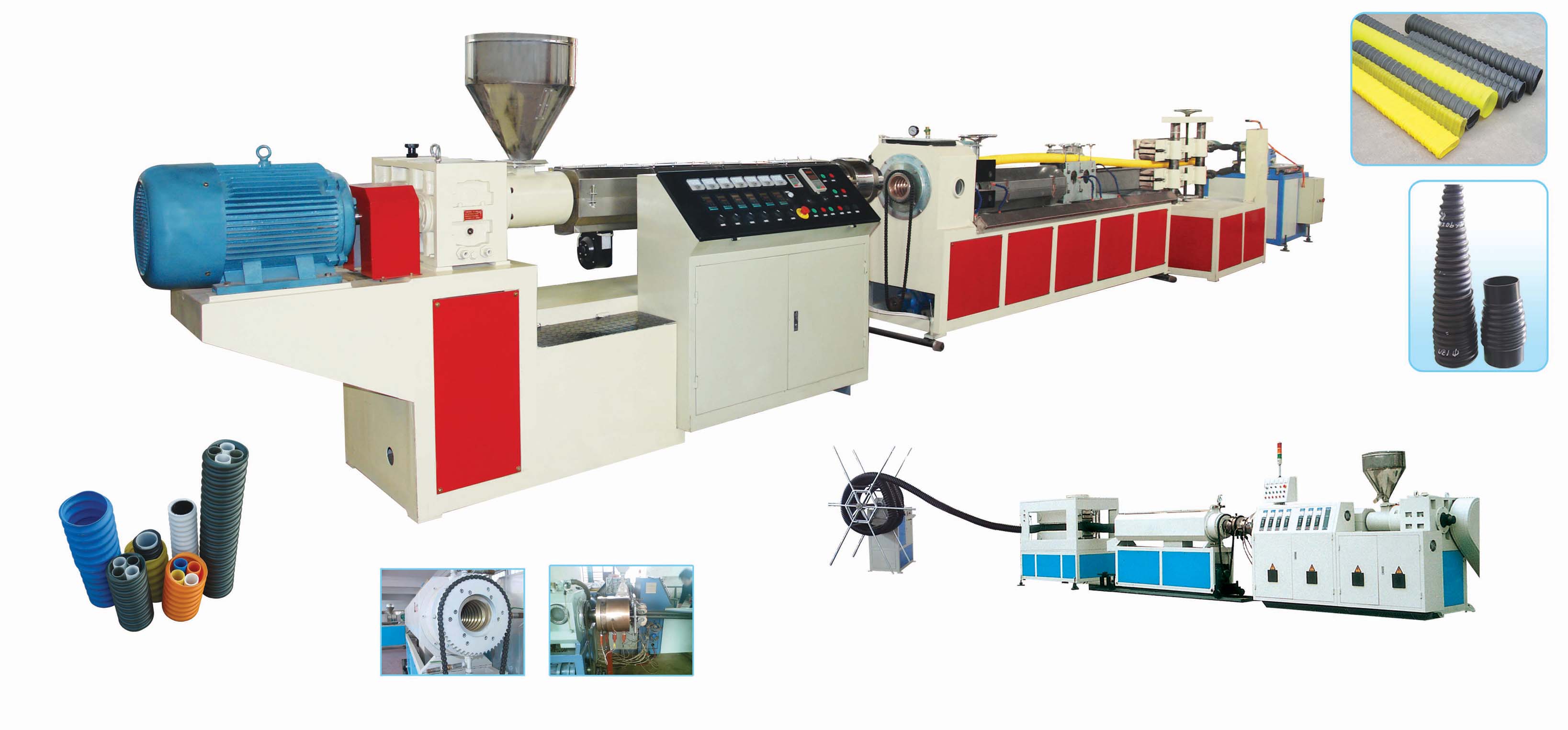
Longchangjie explores how a smarter pipe production line can help companies increase output without increasing factory space, addressing a common challenge in the plastic pipe industry: how to achieve higher efficiency when land, labor, and operating costs continue to rise.
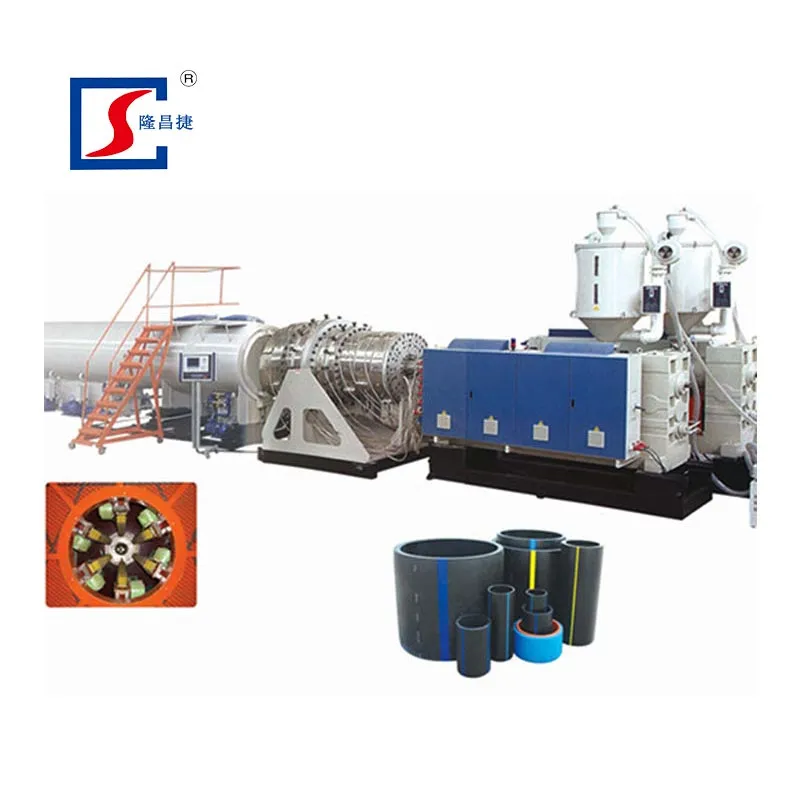
For many pipe processing facilities, expanding production capacity traditionally meant adding new workshops, purchasing more equipment, and increasing workforce requirements. However, this approach is not always practical, especially in areas where factory space is limited or construction costs are high.
Recent developments in plastic extrusion technology show that improving production line design can create additional capacity within the same working area. By optimizing equipment layout, increasing automation levels, and improving processing stability, companies can produce more pipes without physically expanding their factories.
The concept behind a modern pipe production line is no longer only about increasing machine speed. It focuses on improving the complete production process, including material feeding, extrusion control, forming accuracy, cooling efficiency, and continuous operation.
Many pipe producers experience similar operational problems when demand increases:
| Common Challenge | Impact on Production |
|---|---|
| Limited factory floor space | Difficult to install additional equipment |
| Frequent machine adjustments | Longer downtime and lower output |
| Older production technology | Higher energy consumption and material waste |
| Manual operation dependence | Inconsistent product quality |
| Slow production changeovers | Reduced flexibility for different pipe types |
Instead of simply adding more machines, many companies are looking at equipment upgrades that make better use of existing space.
A well-designed production system can combine multiple functions into a more compact structure. This allows production areas to be organized more efficiently while maintaining stable manufacturing processes.
The key to increasing output without expanding factory space is improving productivity per square meter.
Modern extrusion equipment applies several approaches:
Factory space is often limited by inefficient equipment arrangements. A production line designed with coordinated upstream and downstream units can reduce unnecessary movement of materials and operators.
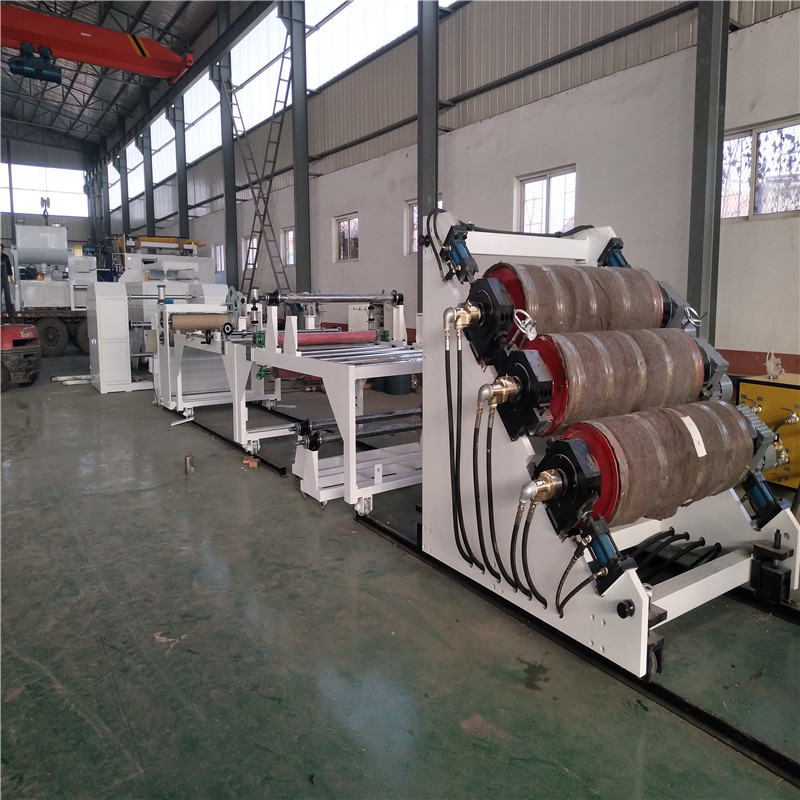
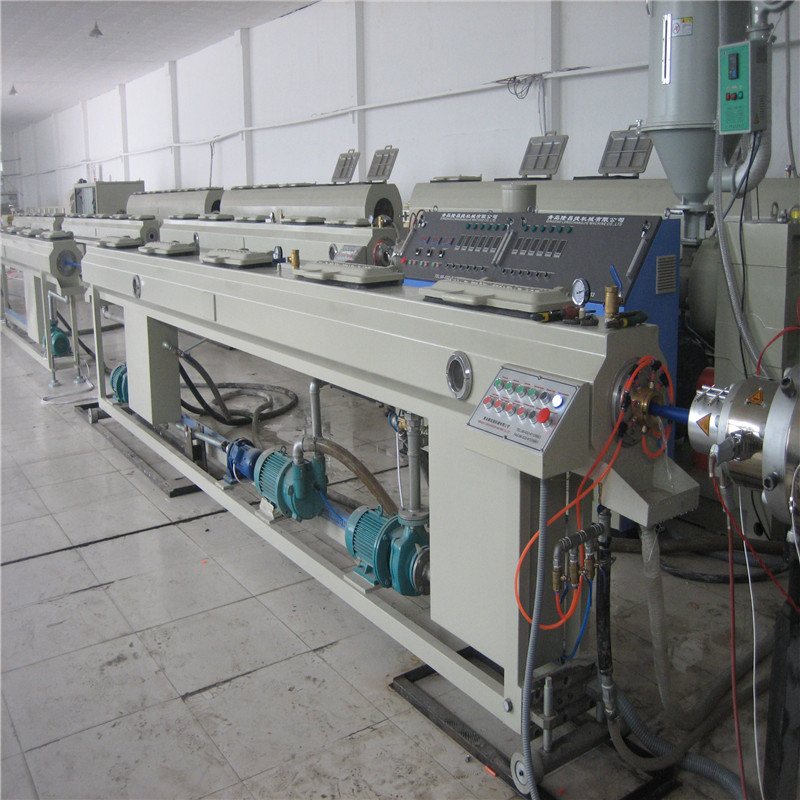
For example, a complete system integrating extrusion, forming, cooling, cutting, and auxiliary equipment creates a smoother workflow compared with separate machines placed independently.
For large-scale pipe production, unexpected stops can significantly reduce daily output. Stable extrusion performance helps maintain continuous operation and reduces production interruptions.
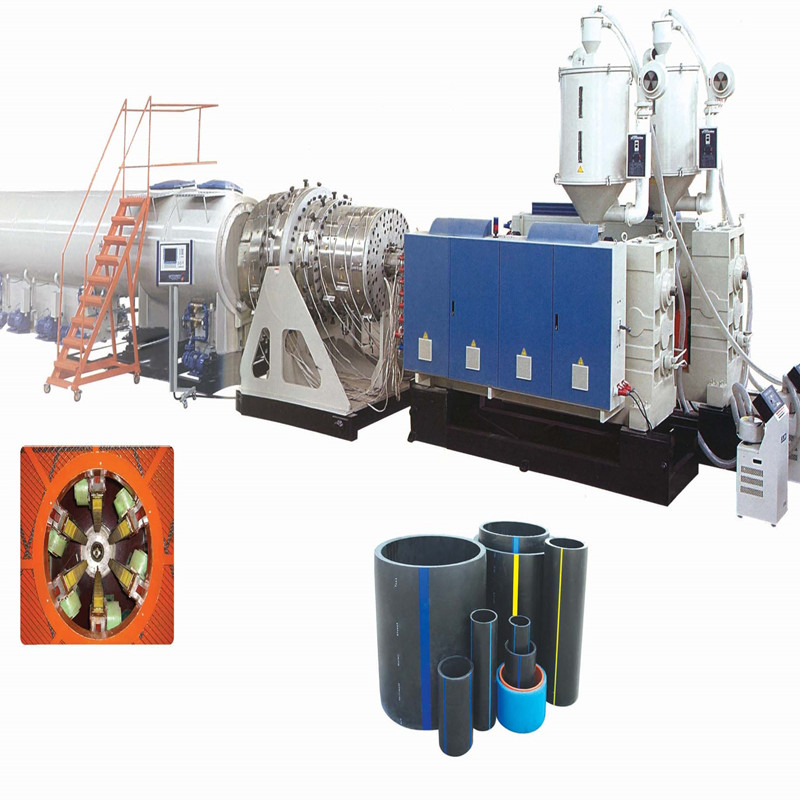
Longchangjie has developed various plastic extrusion solutions, including HDPE large diameter hollow wall winding pipe production lines, PE/PP pipe production lines, corrugated pipe production lines, and other customized extrusion systems for different applications.
Factories often need to produce different pipe specifications depending on market demand. Flexible equipment design helps reduce adjustment time when switching between products.
A modern pipe production line can support different pipe structures, diameters, and materials through suitable molds, extrusion configurations, and control systems.
The idea of “doubling output” does not always mean running machines twice as fast. In many cases, it comes from removing production bottlenecks.
A typical improvement path may include:
| Improvement Area | Traditional Situation | Optimized Approach |
|---|---|---|
| Production layout | Machines arranged separately | Integrated production flow |
| Equipment utilization | Frequent idle periods | Improved continuous operation |
| Processing control | Manual adjustments | More precise control systems |
| Space usage | More machines required | Higher output from existing area |
This approach helps companies reconsider factory planning. Instead of focusing only on adding physical space, they can evaluate whether existing production processes are being used effectively.
The plastic pipe industry is moving toward more efficient production models. Instead of relying only on larger factories, companies are paying more attention to:
These trends are especially important for industries such as municipal construction, agriculture irrigation, chemical engineering, and infrastructure projects where pipe demand continues to grow.
The future of pipe production is not only about bigger equipment but also smarter equipment planning. A well-designed system can help production facilities achieve greater capacity while making better use of available space.
With its experience in plastic extrusion technology, Qingdao Longchangjie Machinery Co., Ltd. continues to develop solutions such as the HDPE Large Diameter Hollow Wall Winding Pipe Production Line and other plastic machinery systems to support efficient pipe manufacturing development.