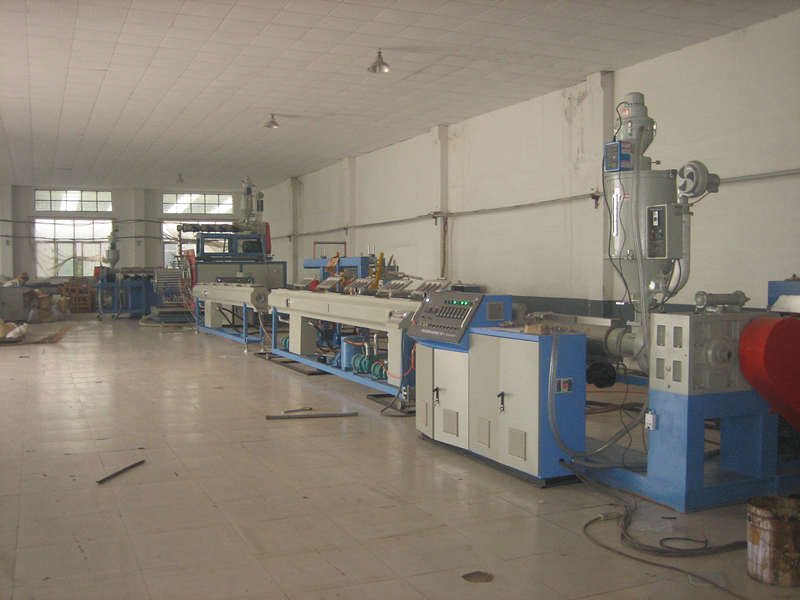
The concept behind a modern pipe production line is no longer only about increasing machine speed. It focuses on improving the complete production process, including material feeding, extrusion control, forming accuracy, cooling efficiency, and continuous operation.
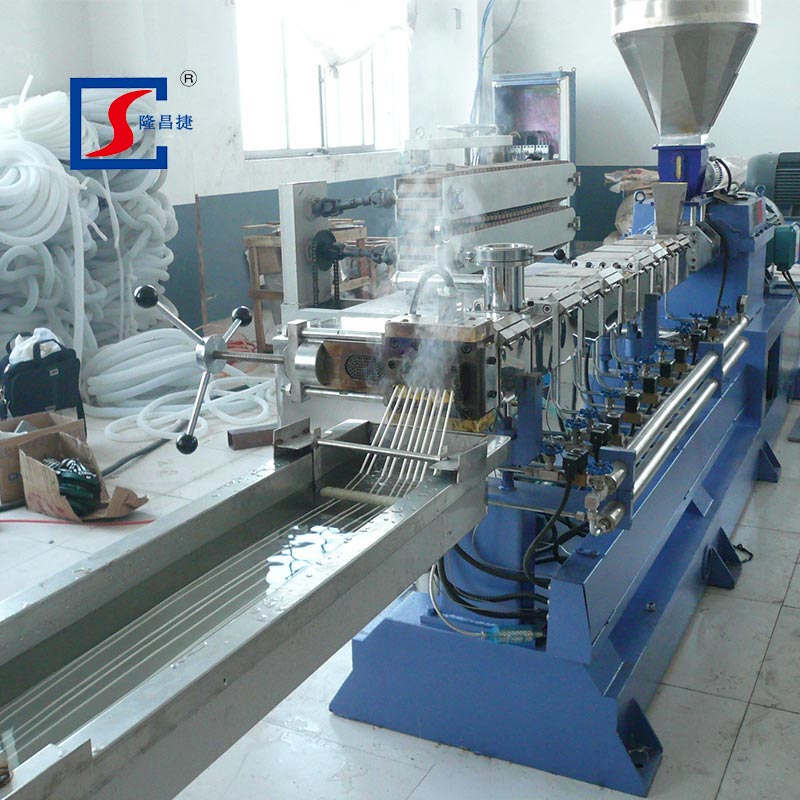
With the rapid growth of plastic consumption, recycling and reuse have become important solutions for reducing plastic waste. Among the equipment used in plastic recycling systems, the Plastic Granulator Machine plays a key role by processing plastic waste into smaller and more uniform particles for further reuse.
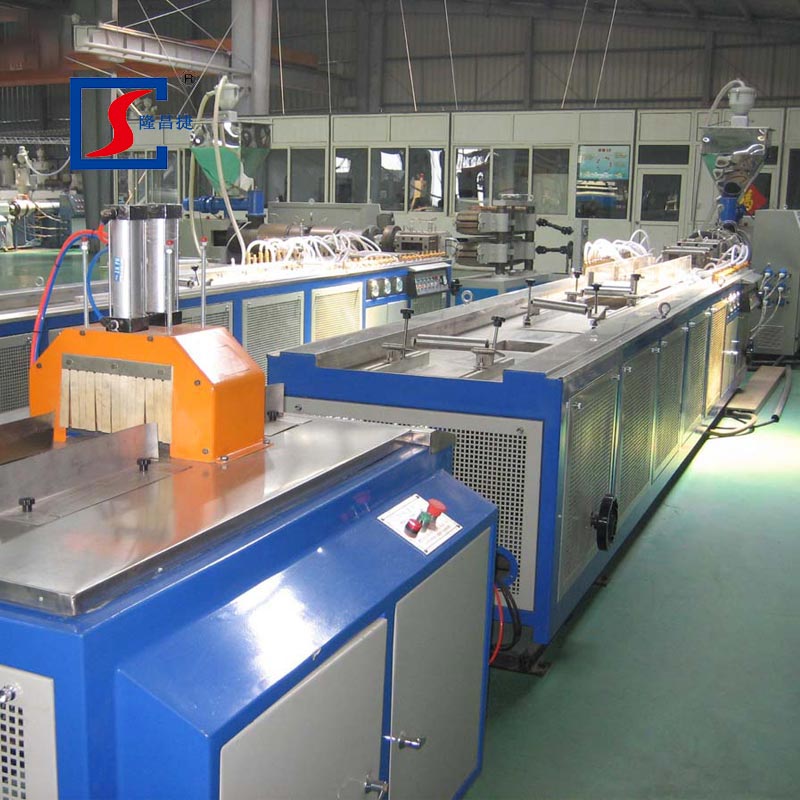
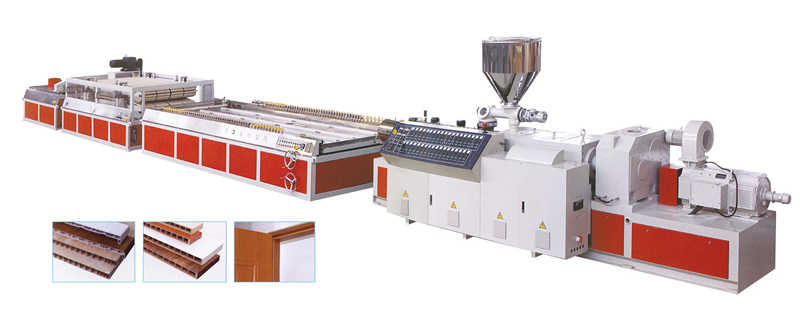
Wood Plastic Composite (WPC) profile production lines are specialized extrusion systems designed to manufacture profiles from a blend of wood fibers and thermoplastics. These lines produce decking boards, window frames, door frames, fencing, outdoor cladding, and furniture components, offering a sustainable alternative to traditional materials. This guide covers the key components, technology, and selection considerations for WPC profile production lines.
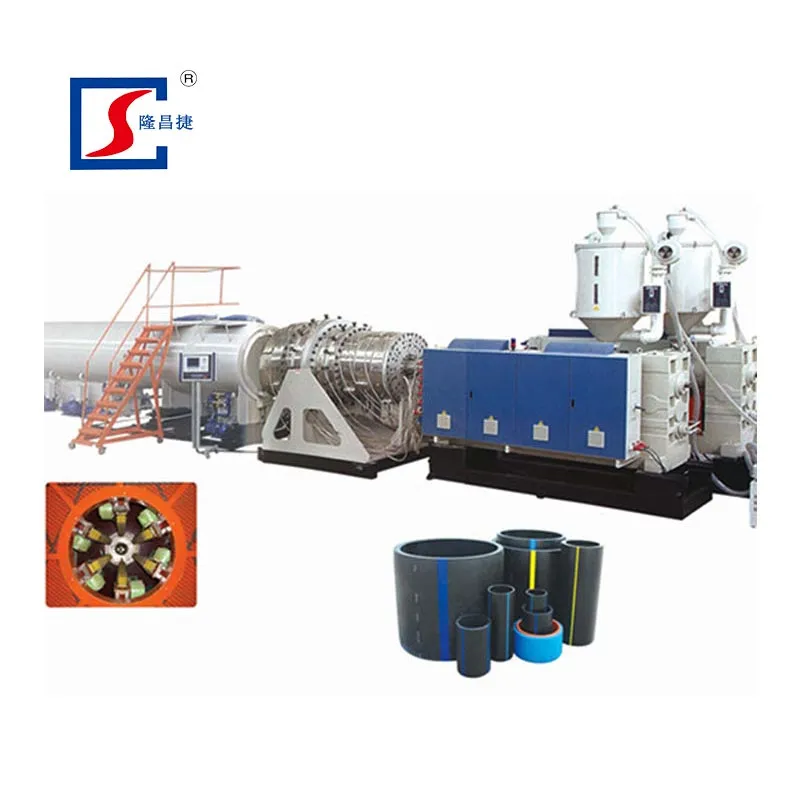
In modern municipal drainage, sewage rehabilitation, and industrial outfall projects, large-diameter HDPE spiral wound pipes are rapidly displacing traditional concrete and cast iron alternatives. For pipe manufacturers, selecting the right winding pipe production line is not just about output capacity—it directly affects material cost, product quality, and long-term operational efficiency. This article provides a no‑nonsense technical overview, backed by real-world parameters, to help you make an informed purchasing decision.
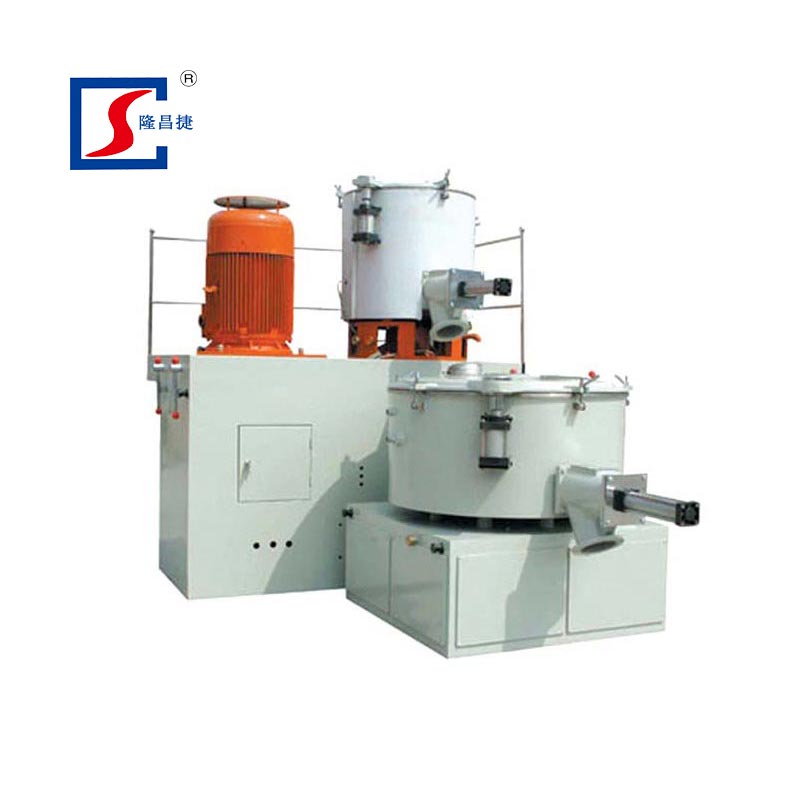
In plastic processing, the extruder or injection molding machine commands the spotlight. It is large, expensive, and visibly responsible for shaping molten polymer into finished products. Yet experienced production managers know a different truth: plastic auxiliary machine equipment—the dryers, loaders, conveyors, mixers, and granulators that surround the primary machine—often determines whether output meets specifications or falls into the scrap bin. A main extruder running perfectly calibrated parameters cannot compensate for wet resin, inconsistent feeding, or contaminated regrind.
Board production lines are essential for modern manufacturing, offering automated solutions to produce high-quality boards for construction, packaging, and decoration. This article explores the working principles, advantages, technical specifications, and common inquiries related to board production lines, highlighting their role in improving efficiency, reducing costs, and ensuring consistent quality.
We use cookies to offer you a better browsing experience, analyze site traffic and personalize content. By using this site, you agree to our use of cookies.Privacy Policy

 03 2026-09
  05 2026-08
  31 2026-07
  24 2026-07
  29 2026-04
  30 2026-01